
Video Marketing for Remodeling Contractors: How to Turn Projects Into Leads
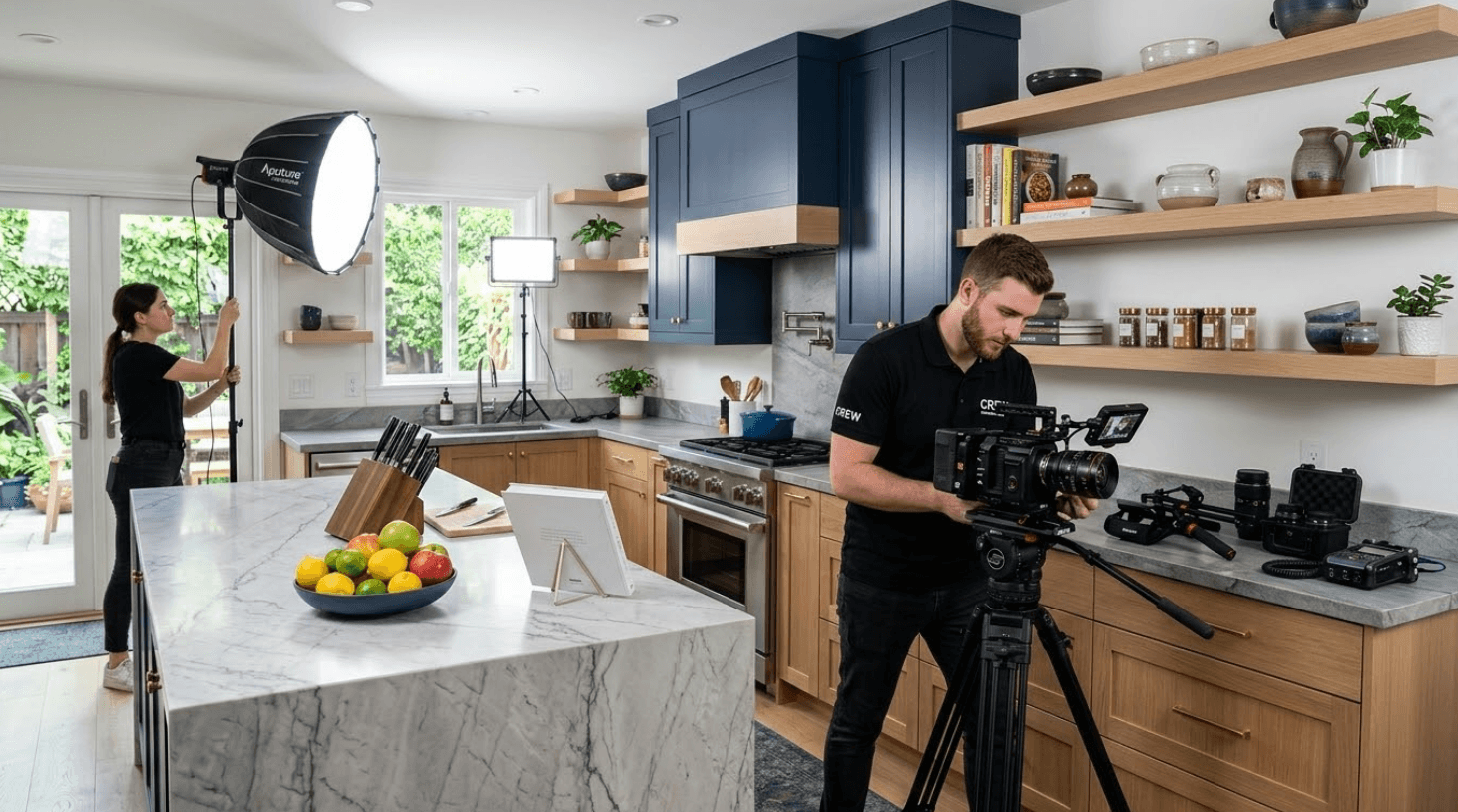
Video marketing for remodeling contractors sits at an interesting intersection: it is one of the most powerful tools available for building trust and demonstrating expertise, and one of the most underused by independent showrooms that assume it requires a production budget they do not have. The reality is considerably more accessible than most assume.
At BKBG, we work with kitchen and bath showrooms across the country, and the ones investing in video, even modestly, are seeing meaningful returns in lead quality, consultation readiness, and client conversion. A prospect who has watched three of your project walkthroughs before their first consultation is a fundamentally different conversation than one arriving cold. What makes video work in this category is worth understanding closely.
Why Video Works Differently for Remodeling Than Any Other Format
Remodeling is a high-stakes, high-trust purchase, and video builds the personal connection and demonstrated expertise that written content and photography can suggest but never fully deliver. For kitchen and bath showrooms specifically, the format aligns with the category in ways that make its advantages particularly pronounced.
The Visual and Trust Advantage
Kitchen and bath remodeling is a transformation business, and video is the only format that captures transformation in its full dimension. A finished space in a photograph shows the outcome. A walkthrough video shows the scale, the material relationships, the light, and the craft behind it. That experience builds a level of trust that static content cannot replicate, and in a category where clients are committing significant budgets to a team they need to believe in, that trust has direct commercial value.
The Algorithm and Visibility Advantage
Every major platform, including Google, YouTube, Instagram, and Facebook, actively prioritizes video content in organic reach and advertising performance. That means video produces more visibility per dollar than static content across every channel where your showroom has a presence. A well-produced project walkthrough published on YouTube earns search visibility, earns social reach, and continues generating views and leads long after it is published, compounding in value in a way that a paid ad never does.
The Sales Cycle and Qualification Effect
A prospect who has watched several videos featuring your designers, your process, and your completed projects arrives at a consultation having already built significant familiarity. The conversation starts further along because the foundational trust work has already happened. Video also communicates positioning, design aesthetic, and process expectations efficiently enough to function as a qualification filter. The right prospects engage deeply. Those who are looking for something different tend to recognize that before they ever book a meeting.
The Video Content Strategy: What to Make and Why
Effective video content is built around purpose, not just production. Each format serves a different role in the buyer's journey, and a showroom with a deliberate mix of content types builds trust, communicates positioning, and generates leads across every stage of the consideration process.
Project Transformation Videos
The before-and-after project video is the foundational asset for every remodeling showroom. What separates a lead-generating project video from an impressive one is narration: design rationale, material callouts, client brief context, and a clear sense of the showroom's design perspective. Optimal length varies by platform, running three to five minutes on YouTube, sixty to ninety seconds for Instagram Reels, and around ninety seconds for a website hero. Most project footage can be captured on a smartphone with good lighting and a steady hand, making consistent documentation achievable without a production crew.
Designer Profile and Team Videos
Designer-forward video content performs exceptionally well for design-led showrooms because it shifts the buyer's question from which showroom to call to which designer they want to work with. A designer profile covering background, design philosophy, favorite project types, and genuine enthusiasm for the work humanizes the brand and builds personal trust with prospects who are choosing a person as much as a company. These videos are among the most efficient trust-building assets a showroom can produce.
Process Explainer Videos
Remodeling buyers carry real anxiety about the unknown: what happens after they call, how long the process takes, what decisions they will need to make. Process videos address that anxiety directly and pre-qualify buyers by setting accurate expectations before the first conversation. High-performing topics include what happens at a first design consultation, how cabinetry is selected for a specific space, and what to expect during a kitchen remodel timeline. Showrooms that explain their process on video are consistently perceived as more transparent and more trustworthy than those that do not.
Product, Testimonial, and Educational Videos
Product and material showcase videos serve double duty: they attract buyers researching specific materials through search and demonstrate product expertise to prospects already evaluating your showroom. Cabinet finish walkthroughs, countertop comparisons, and hardware showcases all perform well with design-invested buyers. Video testimonials outperform written reviews for high-ticket decisions because emotional authenticity on camera is irreplaceable, and a phone-filmed testimonial with genuine feeling outperforms a polished but scripted one. Educational content, covering topics like kitchen layout principles, cabinet construction quality, or bathroom design trends, earns trusted advisor positioning by teaching rather than selling, attracting buyers earlier in the research phase and building the relationship that makes your showroom the natural first call.
Production: Making Great Video Without a Hollywood Budget
Quality in remodeling video is more about discipline than equipment. Understanding what your content actually needs, and what it does not, is what separates showrooms producing effective video consistently from those waiting until conditions are perfect before they start.
The Production Quality Threshold
Production quality requirements vary by content type. Project transformation heroes, website hero videos, and paid ad creative warrant professional production investment because they represent your showroom's primary positioning statement. Behind-the-scenes content, designer introductions, product showcases, and social Stories work well with phone footage because authenticity carries more weight than polish in those formats. Two elements are non-negotiable across every content type: stable footage and clear audio. Everything else can be compensated for with good natural light and basic editing.
The Essential Equipment Stack
A practical equipment setup does not require significant investment. The variables that matter most are audio quality and stabilization, not camera hardware. A few essentials cover most production needs:
-
Camera: a current iPhone or Android flagship produces footage indistinguishable from entry-level mirrorless cameras for most social and web applications
-
Audio: a lavalier or shotgun microphone under a hundred dollars is the single highest-return production upgrade available
-
Lighting: natural light handles most showroom and project shoots well, with an affordable LED panel covering controlled environments
-
Stabilization: a gimbal for moving shots and a tripod for static ones cover the full range of remodeling content types
-
Editing: CapCut and iMovie handle social and basic web content, while Premiere Pro and Final Cut serve more demanding production needs
Starting with audio and stabilization before upgrading anything else produces the most noticeable improvement in perceived quality.
Shooting on Active Project Sites
Capturing usable project footage requires building documentation into the project workflow rather than treating it as a separate activity. A consistent habit of capturing wide establishing shots, detail close-ups, and in-progress sequences at key milestones ensures footage exists when it is time to edit. Every completed project video needs four core shot types: a wide establishing shot, material and detail close-ups, a designer walkthrough, and a final reveal sequence. Client permission should be confirmed early, and active site footage should reflect the professional standard your showroom maintains on every project.
Scripting and Storyboarding
Unscripted video almost always requires more editing and produces less focused messaging than content built around even a basic structure. The three-part framework that works across nearly every remodeling video type is a hook in the first five seconds, value delivery in the middle, and a clear call to action in the final ten seconds. Talking points rather than full scripts allow natural delivery while keeping the content on message. Teleprompter apps offer a practical middle ground for designers and showroom owners who want scripted precision without the robotic read-along quality that word-for-word delivery often produces.
Video Advertising: Turning Content Into Paid Lead Generation
Organic video builds authority over time. Paid video advertising accelerates that process by putting your content in front of targeted audiences immediately. The platforms available each serve a different role in the remodeling funnel, and understanding those roles is what makes paid video efficient rather than expensive.
YouTube Video Ads
YouTube offers several ad formats worth knowing. Skippable in-stream ads work well for project walkthroughs because engaged viewers self-select by watching past the skip point. Non-skippable and bumper ads suit short awareness messages. Discovery ads reach homeowners actively searching for remodeling content. Targeting options include in-market home improvement segments, homeowner demographics, and custom intent audiences built from search behavior. The first five seconds determine whether someone watches or skips, so lead with something visually compelling. Track performance through view rate, watch time, click-through rate, and conversion data.
Meta Video Ads
Video outperforms static creative in Meta ads for remodeling because the format communicates design quality and transformation more effectively. Match campaign objective to funnel stage: awareness for cold audiences, traffic for consideration, and lead generation for warm audiences. Video retargeting deserves a dedicated budget: building custom audiences from video viewers and serving follow-up creative that moves them toward a consultation is among the highest-ROI tactics available. Structured A/B testing on hook, length, and call to action produces reliable data without requiring large spend.
Connected TV and Streaming Ads
Connected TV reaches affluent homeowners through streaming platforms in a high-attention environment most remodeling advertisers have not yet entered. Demographic, geographic, and behavioral targeting aligns well with the ideal remodeling client profile. Budget thresholds are higher than social or search, and attribution is more complex. For showrooms in competitive markets with strong creative assets and a defined audience, it represents a genuine emerging opportunity.
Turning Video Views Into Leads: The Conversion Architecture
Video content builds trust and visibility, but views without conversion infrastructure produce impressions rather than leads. The showrooms that generate consistent leads from video have built a deliberate pathway from initial watch to consultation request, and every step of that pathway is intentional.
The Video-to-Lead Pathway
The journey from view to lead follows a predictable sequence: a prospect watches a video, develops interest, visits your website, and requests a consultation. Each transition requires a prompt. The call to action hierarchy matches the ask to the funnel stage: early-stage content invites further exploration, mid-funnel content directs viewers to a specific service page or portfolio, and bottom-funnel content asks directly for a consultation. The ask should feel like a natural next step rather than a sales push, which means the content has to earn it before the CTA appears.
Lead Capture Mechanics
Each platform requires its own lead capture approach, and building multiple pathways increases the likelihood that an interested viewer converts. A practical architecture covers the major surfaces:
-
YouTube: end screens, cards, and description links driving to your website or consultation booking page
-
Instagram: bio link, story links, DM automation, and lead form ads for direct contact capture
-
Website: embedded CTAs and consultation booking widgets placed adjacent to video content
-
Email: video thumbnail click-throughs to dedicated landing pages with a clear consultation offer
Covering all four surfaces ensures that a viewer who engages across multiple platforms has a consistent and frictionless path to conversion at every point.
Lead Nurture Through Video
Not every viewer is ready to book immediately, and a video drip strategy keeps your showroom present during the months they spend considering their options. A sequence of project reveals, process explainers, and designer profiles delivered over several weeks builds familiarity progressively. Behavioral triggers add another layer: sending specific videos based on what a prospect has already watched or clicked creates a personalized nurture experience at a scale that manual outreach cannot match.
Tracking Video's Contribution to Lead Generation
Video often contributes to lead generation without being the last touchpoint, which means last-click attribution consistently understates its impact. A more complete picture comes from tracking video view audiences in paid social, YouTube referral traffic in GA4, and video engagement as a lead quality predictor. UTM parameters on every video-driven link allow you to trace the path from view to conversion with enough precision to make confident budget decisions about where video investment is actually earning its return.
How BKBG Helps Showrooms Build Video Marketing Into Their Growth Strategy
The showrooms that execute video marketing most effectively combine positioning clarity, marketing infrastructure, and a professional network that gives their content genuine substance. At BKBG, we provide the foundation that makes video marketing land, giving member showrooms the resources and relationships that turn video production into a real lead generation system.
The Content Foundation
Our Designer Alliance connects more than 400 designers across 150-plus showrooms, providing the human stories, design expertise, and project diversity that make compelling video content possible. Designer profile videos and project walkthroughs work because the talent and the work are genuinely worth featuring. Our Call-to-Action Guides complement video marketing by giving engaged viewers something to download and act on, converting video interest into consultation conversations. Our Elevation Blog Program works in concert with video, embedding project content in blog posts and driving blog readers to video, creating a combined SEO and content strategy that makes every asset work harder.
Technical Execution and Market Intelligence
Our vetted digital marketing affinity partners include agencies and consultants who understand video production, YouTube SEO, and paid video advertising in the kitchen and bath category. Showrooms working with these partners have trusted specialists handling the technical execution that video marketing requires rather than figuring it out through trial and error. Our trade area assessments inform what video content to produce by identifying which project types, design styles, and buyer profiles are most prevalent in a showroom's local market, ensuring video investment targets the highest-opportunity content categories.
Advisory and Accountability
Our business advisory services evaluate how effectively a showroom's video content supports its positioning, lead generation, and sales conversion. Connecting video investment to measurable business outcomes is what separates a content exercise from a growth strategy, and that connection requires honest evaluation of what the content is actually producing. We work directly with showrooms to make that assessment and to identify where video marketing is contributing to the pipeline and where adjustments are needed.
What We Build Together
We give independent showrooms the positioning foundation, marketing resources, and professional network to make video marketing a genuine lead generation engine. The showrooms in our network that invest in video with this kind of support behind them build content libraries that compound in value, attract better-fit clients, and convert more of the right prospects into signed projects.
Now Is the Right Time to Make Your Best Work Visible
Video marketing for remodeling contractors works because the category is built on transformation, trust, and design expertise, and video communicates all three better than any other format available. From project walkthroughs and designer profiles to paid video advertising and conversion architecture, the showrooms generating consistent qualified leads from video are the ones that treat it as a system rather than an occasional content effort.
The showrooms generating consistent leads from video are the ones with the right support behind their content, and that support is what we provide at BKBG. Positioning clarity, vetted agency partnerships, and a professional network that gives video genuine substance to work with are all part of what membership delivers. Your best projects are your most powerful lead generation asset. Contact us and let's make sure the right people are seeing them.
FAQs
What makes video marketing for remodeling contractors different from video marketing in other industries?
The transformation is the product. In most industries, video communicates a message about something. In remodeling, video communicates the thing itself: the finished space, the design decisions, the craft behind the work. That makes authenticity and visual quality unusually important. A prospect watching a project walkthrough is essentially previewing the experience of working with your team, which means every video is doing active sales work.
How much does it realistically cost to start producing video content for a remodeling showroom?
Less than most showrooms assume. A current smartphone, a lavalier microphone under a hundred dollars, and good natural light produce footage that performs well on every social platform and most website applications. The investment that matters most early on is time and consistency rather than equipment. Professional production is worth budgeting for hero assets like website videos and paid ad creative, but the majority of a showroom's content library can be built without a production crew.
Does BKBG provide support for member showrooms that want to build a video marketing strategy?
We support video marketing through several connected resources. Our vetted digital marketing affinity partners include agencies with experience in video production, YouTube SEO, and paid video advertising in the kitchen and bath category. Our business advisory services evaluate how effectively a showroom's video content is supporting its positioning and lead generation. And our Designer Alliance provides the project diversity and design talent that make compelling video content genuinely possible.
How does the BKBG Designer Alliance contribute to a showroom's video marketing efforts?
Our Designer Alliance connects more than 400 designers working across 150-plus showrooms, providing the human stories, design expertise, and project variety that give video content genuine substance. Designer profile videos and project walkthroughs perform best when the talent and the work are worth featuring, and our network ensures member showrooms have both. The relationships built within that community also create natural opportunities for collaborative content that extends reach beyond a single showroom's audience.
How does BKBG's Elevation Blog Program work alongside a showroom's video marketing efforts?
Our Elevation Blog Program and video marketing work in concert rather than independently. Blog posts embed project videos and drive readers toward longer-form content. Video content drives viewers toward detailed written resources. The combined strategy creates a content ecosystem where each asset strengthens the others, building SEO authority, brand credibility, and audience familiarity simultaneously. Members using both report measurably higher social engagement and improved search visibility compared to either format used in isolation.