
Kitchen and Bath Marketing Solutions: Digital Tactics for More Qualified Project Opportunities
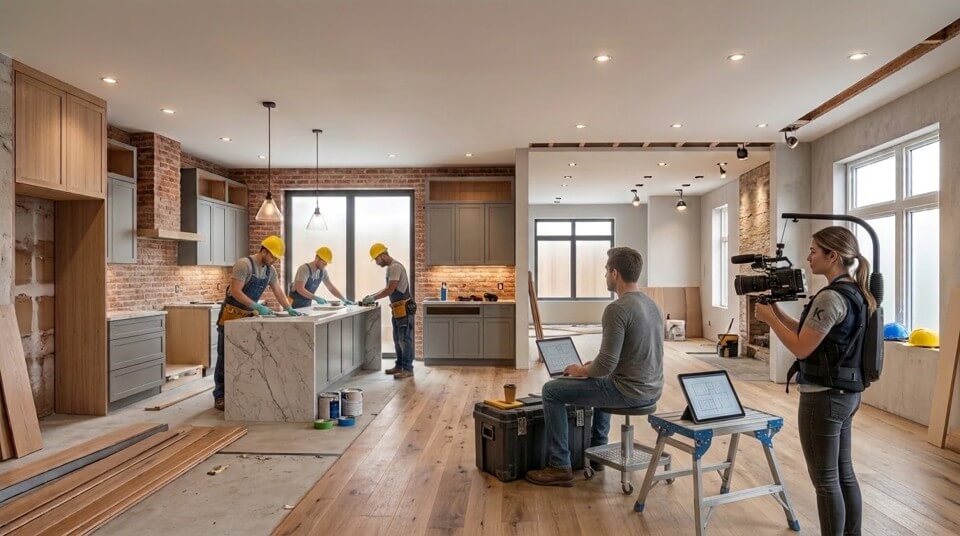
Kitchen and bath marketing solutions can turn scattered attention into a steadier path toward serious project conversations. Homeowners are researching, comparing, saving, asking, and deciding long before they walk into a showroom. The showrooms that show up with useful proof have a better chance of earning trust early.
At BKBG, we work with independent kitchen and bath showrooms that need practical marketing tied to real sales goals. We know marketing needs to support real selling conditions: limited time, complex projects, local competition, and customers who expect clarity before they make contact. The right tactics can help your showroom attract better-fit homeowners, build confidence earlier, and create opportunities worth pursuing.
The Qualification Problem in Kitchen and Bath Digital Marketing
Kitchen and bath leads can look similar at first glance. A $6,000 hall bath update and a $75,000 primary suite remodel may arrive through the same search query, website path, and contact form. Strong digital marketing separates the signal early.
Why Qualified Opportunities Matter
The central challenge is variance. Homeowners with very different budgets, scopes, timelines, and expectations often use identical language online. One person may want a small product-driven update. Another may need a full design-led renovation with cabinetry, surfaces, lighting, storage planning, and project coordination. The website visit looks the same until the marketing system starts asking better questions through visuals, copy, calls to action, and follow-up paths.
The Four Dimensions of a Qualified Project Opportunity
A stronger kitchen and bath opportunity usually fits across four practical dimensions:
-
Budget alignment means the homeowner’s investment expectation matches the showroom’s minimum viable project value.
-
Scope match means the project type fits the showroom’s core capabilities, service model, and margin structure.
-
Design orientation means the homeowner values professional design guidance and sees the showroom as an expert partner.
-
Decision readiness means the homeowner has a defined timeline and is actively moving toward a project decision.
These filters help your team spend time on conversations with real potential.
How Digital Tactics Shape Qualification
Targeting determines who sees the message by using demographic, geographic, and behavioral signals that reflect budget and homeowner profile. Creative determines who engages because photography and video reveal the caliber, style, and complexity of the work. Copy determines who clicks by referencing process, investment, expertise, and project type. The offer determines who converts by inviting a specific next step, such as a consultation request, project planning conversation, or showroom visit.
The Qualification Cascade
Each element filters the audience a little further. When the system is aligned, the showroom may receive a smaller pool of inquiries with a stronger qualified-opportunity ratio. That is the real value of kitchen and bath digital marketing: cleaner demand, better conversations, and project opportunities that fit.
Tactic 1: Local SEO That Attracts High-Intent Organic Traffic
Local SEO works because search reveals intent. When a homeowner types a specific kitchen or bath query into Google, they are handing you a clue about budget, urgency, expectations, and decision stage before the first conversation begins.
Search Terms That Signal Real Project Intent
Qualified organic traffic often starts with precise language. Searches such as “kitchen remodel contractor [city]” and “bathroom renovation showroom [city]” suggest that the homeowner is evaluating local professionals and moving toward a project conversation. Credential and quality searches, such as “NKBA certified kitchen designer [city]” or “luxury bathroom remodel [city],” signal a stronger interest in design expertise, product quality, and a higher service standard. Process and investment searches also carry weight. A homeowner looking for “kitchen remodel process [city]” or “how much does bathroom remodel cost [city]” is usually trying to understand the practical path ahead. That person has moved past casual inspiration and is starting to think in terms of money, timing, scope, and readiness.
Google Business Profile as a Qualification Asset
Your Google Business Profile often creates the first serious local impression. Project photography should show the caliber of work you want to sell, from cabinetry and surfaces to layout complexity and finish detail. Strong visuals help the right homeowner recognize fit before clicking through to the website. Reviews also play a major role. Reviews that mention design quality, communication, scheduling, problem solving, and showroom experience attract homeowners who care about those same qualities. GBP posts give you another local signal. Finished project photography, design notes, seasonal planning guidance, and remodel education keep your profile active and give searchers a clearer view of your standards.
Local Content That Pulls in Better Opportunities
Cost guides may be the strongest local SEO content for qualification. A page like “What Does a Kitchen Remodel Cost in [City]?” attracts homeowners willing to engage with investment reality, which is a useful signal on its own. Process content, such as “The [City] Kitchen Remodel Process: What to Expect,” appeals to organized homeowners who want structure. Comparison content, such as “Design-Build Showroom vs. Big-Box Store: The Difference in [City],” reaches people who are actively weighing service models and choosing deliberately.
Tactic#2: Content Marketing That Pre-Qualifies Before the First Contact
Content marketing gives homeowners a place to think before they contact your team. The pages, guides, and posts they read can reveal budget awareness, decision style, service expectations, and project seriousness early.
The Content Hierarchy That Signals Readiness
Investment and budget guides carry the strongest qualification signal because they attract homeowners who are planning seriously, calibrating expectations, and preparing for a real financial decision. A detailed cost guide helps readers understand ranges, project variables, product levels, and the service required to produce a kitchen or bath. Process guides appeal to homeowners who want clarity on consultation, design, selections, timelines, site coordination, and communication rhythm. Comparison guides, such as custom versus semi-custom cabinets or design-build showroom versus general contractor, attract readers evaluating service models. Style guides usually reach people earlier, while still connecting design ideas to practical project decisions.
Planning Guides as Pre-Qualification Tools
Professionally produced, showroom-branded downloadable resources give homeowners a useful next step while helping the showroom identify serious planners. A homeowner who downloads a detailed guide is showing research behavior that often comes before a committed remodel. The guide can also shape the first consultation. Someone who has read an investment guide arrives with better budget awareness, sharper questions, and a clearer sense of professional design support.
The Blog as a Qualification Filter
A strong blog library helps a showroom set expectations in public. Content that plainly addresses investment ranges, scope, planning steps, design decisions, and process commitment attracts homeowners who understand the level of service involved. Over time, that consistency supports local search authority, builds trust, and gives serious homeowners a reason to take the next step.
Tactic 3: Paid Search Configured for Lead Quality
Paid search can qualify homeowners before the click. Google Search Ads reach people who have already declared intent through specific search terms, which makes keyword selection, targeting, and ad copy central to lead quality.
Keyword Strategy for Qualified Opportunities
A showroom should prioritize searches tied to contractors, designers, consultations, and full project services. Terms like “kitchen design consultation [city]” or “bathroom remodel designer [city]” usually carry stronger intent than broad remodel searches. Credential signals also matter. Searches that include “certified,” “custom,” “luxury,” or “designer” suggest that the homeowner is looking for professional guidance, quality products, and a higher-touch process. Long-tail terms may bring fewer clicks, yet those clicks often arrive with clearer scope, stronger intent, and less wasted spend.
Negative Keywords as a Qualification Investment
Negative keywords protect the budget from weak-fit traffic. Price-sensitive terms such as “cheap,” “low cost,” and “budget” often point to expectations that conflict with professional design-build pricing. DIY terms, including “how to” and “do it yourself,” usually come from homeowners researching their own work. Product-only searches can also drain spend when the user is shopping for a single faucet, vanity, or cabinet line. Inspiration terms such as “ideas,” “photos,” and “pictures” tend to attract early browsing behavior with limited project urgency.
Ad Copy That Filters Before the Website Visit
Ad copy should make the service model clear. Investment framing, minimum project language, or typical project range references help budget-aligned homeowners self-select. Process phrases such as “design consultation,” “meet with a certified designer,” and “custom design process” set the tone for professional engagement. Credentials, years in business, and completed project counts attract homeowners who value experience.
Tactic 4: Social Media Advertising Targeted by Homeowner Profile
Paid social works best when the audience already resembles the showroom’s ideal client. Facebook and Instagram advertising can layer homeowner profile signals, local geography, life events, and behavior patterns before the first ad impression appears.
Audience Targeting for Qualified Opportunities
Homeownership status creates the baseline, since major kitchen and bath renovations usually start with people investing in their own property. Household income layering helps concentrate spend around the project value profile the showroom can serve profitably. Trade area data makes this targeting sharper by showing where strong clients already live, which ZIP codes produce quality projects, and which neighborhoods align with past success. Life event signals, including recent moves and new homeownership, can indicate active home investment decisions. Behavioral signals tied to home improvement, interior design, and recent home purchase activity add another layer of intent.
Creative That Attracts the Right Homeowner
Project photography should show the caliber of work the showroom wants to repeat. A gallery of refined, higher-investment projects signals the scope, finish level, and design orientation the showroom is known for. Designer-forward creative also matters. Showing the design team, consultation setting, showroom experience, and planning process communicates expertise before anyone clicks. Process videos, showroom walkthroughs, and design consultation clips help homeowners understand the engagement level involved, which attracts prospects who value guidance and preparation.
Lookalike Audiences Built From Strong Clients
Lookalike audiences work best when the source list has real quality. Past clients who completed profitable, well-aligned projects create a stronger model than a broad pool of casual inquiries. When the source audience reflects the showroom’s best work, paid social can reach new homeowners with similar patterns, improving campaign efficiency and lead quality.
Measuring Qualified Opportunity Generation: The Metrics That Matter
Lead volume gives a showroom a surface number. Qualified opportunity generation looks at the fuller sales path: which channels bring prospects who attend consultations, receive proposals, buy, and close at strong project values.
The Measurement Shift
Strong measurement starts with a better question. Instead of asking how many inquiries arrived, ask which sources produced homeowners with the budget, scope, design orientation, and timeline to move forward. A campaign that creates fewer inquiries can still outperform a high-volume source when those prospects book design meetings, respond to proposals, and convert into profitable projects. This shift gives marketing a clearer role in revenue planning.
Qualified Opportunity Metrics to Track
These metrics show where better project opportunities originate:
-
Lead-to-consultation rate by source shows which digital tactics produce prospects who schedule and attend design meetings.
-
Consultation-to-proposal rate by source shows which sources bring homeowners serious enough to receive a design proposal.
-
Average project value by digital source shows which tactics attract higher-budget opportunities.
-
Close rate by source shows which tactics produce homeowners who buy.
-
Time-to-close by source shows which tactics bring prospects who make decisions with greater momentum.
Viewed together, these numbers tell a cleaner story than raw lead count.
The Lead Quality Tracking System
Lead quality tracking depends on consistent source attribution at intake. Every inquiry should be tied to the tactic that produced it, whether that source is local SEO, paid search, paid social, email, referral traffic, or downloadable content. That source data should follow the prospect through consultation, proposal, and closed project. Once the full path is visible, the showroom can calculate cost per qualified project by tactic and compare channels based on sales value. A quarterly quality review keeps the system practical. Look at performance by source, study the strongest opportunities, and reallocate budget toward the tactics that bring better-fit projects.
The Qualification Improvement Feedback Loop
Closed project data should guide the next round of marketing decisions. The homeowners who became the best clients reveal which targeting parameters, content topics, offers, and creative signals deserve added focus. Consultation feedback also matters. Recurring objections, mismatched budgets, unclear timelines, and scope confusion point to content gaps. When those gaps are addressed earlier, prospects arrive with sharper expectations and better alignment.
How BKBG Members Build Stronger Digital Lead Systems
At BKBG, we help independent kitchen and bath showrooms build stronger qualified opportunity systems. Digital marketing takes market intelligence, content infrastructure, technical capability, creative assets, and strategic coordination. We give our members practical support across those connected areas.
The Challenge for Independent Showrooms
Implementing multiple digital tactics at once takes a level of coordination many showrooms rarely have in-house. Local SEO, paid search, paid social, content marketing, email, landing pages, retargeting, and measurement all need to work toward the same goal: better-fit project opportunities. When the system is aligned, a showroom can attract homeowners with stronger budget fit, clearer scope, higher design intent, and better decision readiness.
Market Intelligence and Content Infrastructure
Our trade area assessments give showrooms a sharper view of their market by identifying where high-opportunity homeowners are concentrated, which demographic profiles match strong clients, and which trade professionals are active with those households. Our call-to-action guides give members professionally produced, showroom-branded resources that support lead generation across paid campaigns, social media, email nurturing, retargeting, and website conversion.
Creative Support and Expert Execution
Our Elevation Blog supplies professional weekly content that supports local search authority, educational marketing, email nurturing, and organic social consistency. Our Digital Marketing Affinity Partners bring showroom-specific expertise to paid search, social advertising, landing pages, and retargeting campaigns. Our Designer Alliance gives access to a network of 400+ designers whose project work can strengthen photography, case studies, and process storytelling.
The Compounding Qualification Effect
The advantage builds as each piece strengthens the next. Better market intelligence sharpens targeting. Stronger content improves pre-qualification. Better creative signals the right project level. Qualified agency support improves campaign execution. Our business advisory services help showrooms convert stronger opportunities through consultation, proposal, and close. With that infrastructure in place, our members can produce a higher share of qualified project opportunities from focused, disciplined marketing investment.
Start Building a Stronger Showroom Lead System
Kitchen and bath marketing solutions work best when every tactic helps qualify the homeowner earlier. Local SEO, content, paid search, paid social, email, retargeting, landing pages, and measurement all point toward the same goal: better project opportunities with stronger budget fit, scope alignment, design intent, and decision readiness.
At BKBG, we help independent showrooms build that kind of system with market intelligence, branded content, digital partners, designer access, and business guidance. A stronger pipeline starts with smarter signals at every step. To sharpen your marketing and bring better project conversations into the showroom, contact us today.
FAQs
How do kitchen and bath marketing solutions help showrooms attract better project opportunities?
They help a showroom move from broad lead capture to clearer homeowner qualification. The right mix of local SEO, educational content, paid search, social advertising, landing pages, and follow-up can signal project caliber, investment level, service expectations, and decision readiness early. That gives the sales team a cleaner path into conversations with homeowners who better match the showroom’s work.
What makes a remodeling lead qualified?
A qualified remodeling lead usually fits four areas: budget, scope, design orientation, and timeline. The homeowner has an investment expectation that fits the showroom’s project model, a scope the team can serve well, respect for professional design guidance, and a real decision window. When these pieces line up early, the consultation tends to be clearer and far easier to move forward.
How does BKBG help showrooms improve qualified opportunity generation?
At BKBG, we help independent kitchen and bath showrooms build stronger marketing infrastructure around qualified opportunities. We support members with trade area assessments, branded call-to-action guides, weekly blog content, Affinity Partners, Designer Alliance access, and business advisory services. Our role is to help showrooms make smarter marketing decisions, attract better-fit prospects, and strengthen the sales path after those prospects arrive.
How does BKBG use trade area assessments to support marketing decisions?
We use trade area assessments to help showrooms understand where opportunity sits in their market. That includes homeowner profiles, geographic concentration, local demand, and professional activity around desirable project types. This information can guide local SEO priorities, paid social targeting, paid search focus, outreach, and content planning. Better market intelligence helps every marketing dollar work with sharper purpose.
How do BKBG call-to-action guides support lead generation?
Our call-to-action guides give showrooms professionally produced, showroom-branded resources that homeowners can download during the planning process. These guides help create a useful conversion step between casual website browsing and a direct consultation request. They also help pre-qualify prospects because someone who engages with a detailed planning resource is often thinking seriously about budget, scope, timing, and next steps.