
Content Marketing for Construction: How Educational Content Supports Remodeling Sales
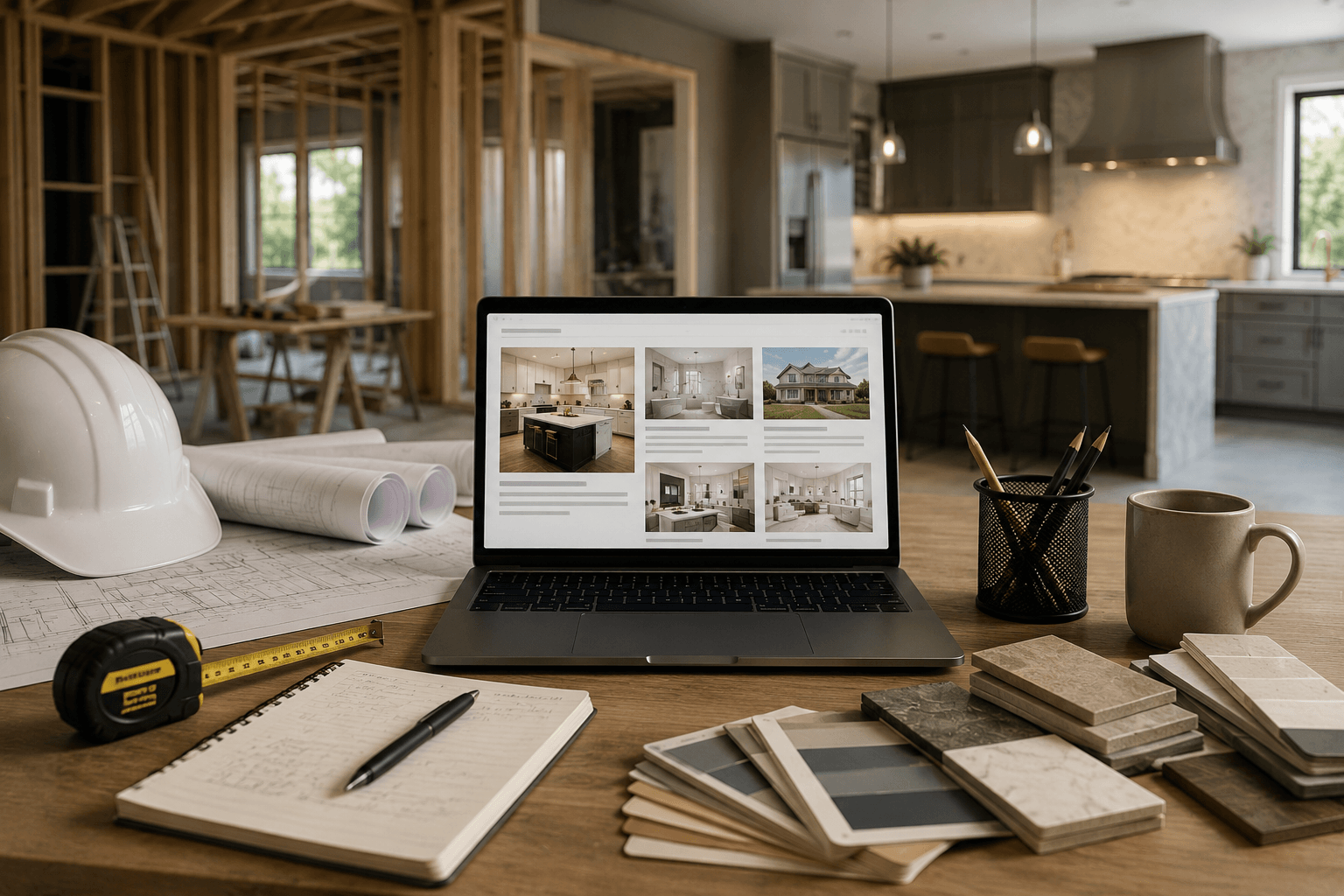
Content marketing for construction has become a practical way for remodelers to earn trust before a customer ever steps into a showroom. Homeowners are asking sharper questions, comparing ideas online, and looking for guidance that feels useful before they schedule a consultation.
At BKBG, we see educational content as a bridge between early curiosity and real sales conversations. When independent kitchen and bath showrooms answer the questions clients already have, they create confidence, shorten hesitation, and make the next step feel natural. That is where strong remodeling sales support begins.
How Educational Content Changes the Remodeling Sales Dynamic
Educational content changes the first sales conversation before it begins. When homeowners understand investment ranges, project timelines, and showroom process, they arrive with better questions, steadier expectations, and greater confidence in the team guiding them.
The old first consultation problem
Many remodeling consultations start with tension. A homeowner may arrive worried about budget, unsure how the process works, and skeptical of every promise a contractor makes. The designer then spends valuable time explaining basic project realities, calming fears, and correcting assumptions that developed during the homeowner’s online search. That early friction slows the conversation and keeps the meeting focused on reassurance rather than design direction. Clear content can address these issues before the first appointment, so the consultation starts with context already in place.
The educated prospect advantage
A homeowner who has read a cost guide, watched a process video, and followed recent project updates comes into the showroom with a stronger sense of what to expect. They already understand that professional remodeling requires planning, investment, scheduling, and a structured design process. They have seen the showroom’s work and heard its point of view. That familiarity creates a warmer starting point. The designer can move into priorities, scope, layout, materials, and next steps with far greater efficiency.
Four ways content supports sales
Educational content gives remodelers a quieter, steadier way to prepare prospects before the consultation. The strongest pieces usually support sales in four practical ways:
-
Pre-qualification: Honest content about investment ranges, project scope, and process commitment helps poor-fit prospects self-select before they use designer time.
-
Trust acceleration: Content that demonstrates expertise helps homeowners feel safer entering a contractor relationship.
-
Objection pre-handling: Content about timeline disruption, cost overruns, and reliability addresses common concerns early.
-
Decision facilitation: Content that explains options and priorities helps homeowners define a clearer project scope.
Together, these pieces create a better-informed prospect and a cleaner sales path.
The sales cycle compression effect
Strong educational content handles early sales work before the consultation. Showrooms often see shorter sales cycles, stronger close rates, and fewer post-proposal drop-offs when prospects have already engaged with useful content. The meeting can focus on fit, design value, and project planning instead of basic persuasion. For independent kitchen and bath showrooms, that shift can protect designer time and improve the quality of every serious opportunity.
How Kitchen and Bath Showrooms Can Win Trust During Early Research
Most future showroom clients begin in a quiet research mode. They want a better kitchen or bathroom, yet they may still be sorting out scope, budget, priorities, and who to trust. Awareness content meets them there with clear guidance.
The awareness stage reality
At the awareness stage, homeowners usually sense that something in their home has stopped working for the way they live. The kitchen feels cramped, storage has become a daily fight, or the bathroom looks dated and functions poorly. They may browse photos, save ideas, ask friends, and search for basic remodeling information. At this point, they are forming opinions long before they contact a showroom. A steady content presence helps a showroom enter that thinking process early, when trust is still being shaped.
Problem-aware content
Problem-aware content names the frustration clearly. A topic like “Why Your Kitchen Feels Hard to Use and What a Professional Designer Would Change” validates the homeowner’s daily experience while showing design judgment. A piece such as “The Signs Your Bathroom Needs a Full Renovation” helps a homeowner understand when surface updates will leave deeper issues unresolved. This kind of content attracts stronger prospects because the reader recognizes the exact problem and starts to connect that problem with a professional solution.
Inspiration-to-reality content
Many homeowners begin with Pinterest boards, Houzz ideabooks, saved Instagram photos, and a loose sense of style. Inspiration-to-reality content helps them turn those references into practical planning. “What Those Pinterest Kitchens Actually Cost and How to Get the Look at Your Budget” gives the dream a real framework. “How to Turn Your Houzz Ideabook Into an Actual Remodel Plan” respects how homeowners already research, then guides them toward a more structured conversation with a showroom team.
Category education content
Category education helps homeowners make sense of choices that can feel technical at first. A topic like “The Difference Between a Kitchen Refresh and a Kitchen Transformation” helps readers define scope before they schedule a consultation. “Custom, Semi-Custom, and Stock Cabinets: What Every Homeowner Should Know” positions the showroom as a practical guide through product decisions. Over time, this content feeds the sales pipeline with homeowners who have learned from the showroom early, stayed engaged, and arrived with stronger confidence when they are ready to begin.
How Consideration Stage Content Builds Trust Before the Consultation
At the consideration stage, homeowners have moved from loose interest into active evaluation. They are reading reviews, watching videos, comparing showrooms, and deciding which team feels capable, steady, and worthy of their budget.
The consideration stage reality
A homeowner in this stage has usually decided the project matters enough to pursue. Now the question becomes who should handle it. They may compare a design-build showroom with a big-box store, a contractor referral, or another local kitchen and bath specialist. Every page they read either builds confidence or adds friction. Content at this point should help the homeowner understand the showroom’s standards, process, communication style, and design judgment before they schedule a meeting.
Process transparency content
Process transparency lowers the pressure around the first step. “What Happens in a Kitchen Design Consultation and Why It Matters” helps homeowners know what they are agreeing to, which makes action feel easier. “The Showroom Remodel Process: From First Conversation to Final Reveal” gives the full design-build journey a clear shape. “What Happens When Something Unexpected Comes Up During a Remodel?” addresses a real fear with maturity. A showroom that explains the hard parts early comes across as experienced and prepared.
Expertise demonstration content
Expertise content should show the thinking behind the work. Designer spotlight pieces can share how individual designers approach layout challenges, material selections, storage needs, and shifting style preferences. A case study like “How We Approached This Awkward Kitchen Layout and What We Learned” gives homeowners a direct view of problem-solving in motion. “The Questions Our Designers Ask Every Homeowner Before Touching a Design” also reveals professional rigor. You want the reader to sense a disciplined team behind the pretty photos.
Comparison and evaluation content
Comparison content helps homeowners make a serious decision with clearer criteria. “Design-Build Showroom vs. Big-Box Store: What Is Actually Different About the Experience” speaks to a comparison many prospects are already making. “How to Evaluate a Kitchen Remodel Contractor: What to Ask and What to Look For” gives the reader a useful framework while showing the showroom’s own standards. This kind of content makes the showroom feel safer, sharper, and easier to choose.
Decision Stage Content That Moves Remodeling Prospects Toward Commitment
At the decision stage, the homeowner already sees the showroom as a strong candidate. They may like the team, trust the design direction, and understand the value. One final concern is usually slowing the commitment.
The decision stage reality
Decision-stage content should focus on the specific barrier keeping a qualified homeowner from moving forward. At this point, broad inspiration has limited value. The homeowner needs practical answers about investment, disruption, communication, and risk. The right content gives them enough clarity to feel steady about the next step. You are helping them resolve the last questions they may feel awkward asking directly.
Budget anxiety content
Budget anxiety is one of the strongest barriers in kitchen and bath remodeling. “What a [City] Kitchen Remodel Actually Costs in [Year] and How to Plan for It” gives homeowners local, credible numbers before the sales conversation becomes tense. “How to Finance a Kitchen or Bathroom Remodel: Options Every Homeowner Should Know” helps them understand payment paths and planning choices. “Why the Lowest Quote Is Often the Most Expensive Option” explains the long-term cost of poor planning, weak communication, and low-quality execution.
Timeline and disruption content
Remodeling can feel overwhelming when homeowners picture weeks of dust, noise, decisions, and limited access to key rooms. “Living Through a Kitchen Remodel: What to Expect Week by Week” gives the experience a manageable shape. “How Long Does a Bathroom Remodel Take? A Realistic Timeline by Project Scope” answers a common question with the specificity homeowners rarely receive. Clear timeline content reduces uncertainty because the homeowner can picture the process with fewer blanks.
Contractor trust content
Trust is often the final gate before commitment. Detailed client testimonials with names, project context, communication details, and finished outcomes help prospects see how the showroom treats real people. “Behind the Scenes: How We Manage a [Showroom Name] Project” can show scheduling habits, quality checks, and communication standards. Full project case studies are especially strong because they trace the client brief, design decisions, challenges, and final reveal. That complete story gives homeowners proof they can study at their own pace.
Building the Educational Content System
A strong educational content system turns the knowledge already inside a showroom into useful sales support. The goal is steady production, clear ownership, and content that helps homeowners move from research to a serious remodeling conversation.
The production challenge
Most showrooms understand the value of educational content, yet consistency is where the trouble starts. Designers carry the best insight because they hear the real questions, concerns, and hesitations every week. They also carry full schedules, active projects, client meetings, vendor coordination, and internal deadlines. A workable system respects that reality. It captures designer expertise in small, efficient ways, then turns that expertise into content through a process the team can maintain.
The system architecture
An educational content system begins with knowledge extraction. The best raw material comes from consultation questions, budget concerns, timeline fears, product confusion, and repeated decision points. Once those patterns are documented, the showroom can match topics to formats based on effort and capacity:
-
Repurposed consultation answers can become short blog posts, email content, or social captions with minimal lift.
-
Structured blog posts can be developed from designer interviews with help from a content partner.
-
Video content can capture stronger personality and trust, though it requires recording, editing, and distribution planning.
-
Monthly planning should prioritize topics that support sales conversations, website visibility, and prospect education.
A realistic cadence keeps the system alive. A plan the team can execute every week will outperform an oversized calendar that stalls after the first month.
The Elevation Blog as the production backbone
The Elevation Blog Program gives showrooms a reliable production backbone by providing professional weekly blog content. That removes the largest barrier for many busy teams. The showroom can contribute project photos, designer notes, common questions, and local insight while the writing and SEO structure are handled professionally. This approach gives independent kitchen and bath showrooms a steady content rhythm without pulling designers away from client work for hours at a time.
The content library concept
A content system becomes stronger as it builds an evergreen library. Cost guides, process explainers, comparison pieces, FAQ resources, and project case studies can support prospects for years with occasional updates. The showroom should also track which assets are viewed by prospects who eventually close. That data shows which topics help move serious homeowners toward commitment, so the team can prioritize content that supports real sales activity.
How BKBG Supports Educational Content Programs for Independent Showrooms
At BKBG, we help independent kitchen and bath showrooms build educational content programs with stronger strategy, better production support, useful market insight, and smarter distribution. We help turn showroom expertise into content that supports real remodeling sales conversations.
The challenge for independent showrooms
A strong educational content program requires time, structure, and a clear understanding of what homeowners need before they commit. Many showrooms have the expertise in-house, especially through designers who answer client questions every day. Those same designers also manage consultations, selections, revisions, project details, and deadlines. Without a workable system, content becomes inconsistent. We help showrooms capture that knowledge, shape it into useful resources, and keep the program moving.
Elevation Blog and call-to-action guides
Our Elevation Blog Program gives showrooms professional weekly educational content published under their own brand. That content supports SEO, social media, email newsletters, and sales conversations at the same time. It also solves a common production gap by giving showrooms a consistent publishing rhythm without asking busy designers to write every piece from scratch. Our call-to-action guides add another layer of support. These showroom-branded resources can include cost guides, planning checklists, and comparison guides that help educate prospects, qualify serious homeowners, and make consultation requests feel easier.
Market intelligence and distribution support
Our trade area assessments help showrooms understand the questions, concerns, and decision points that matter in their local market. That insight helps content focus on the issues homeowners actually care about, such as budget expectations, project scope, product choices, and timeline planning. We also connect showrooms with Digital Marketing Affinity Partners who understand SEO, paid promotion, website strategy, and social media amplification. Strong content needs a clear path to the right audience, and distribution is where many programs gain traction.
Designer knowledge and long-term capability
Our Designer Alliance brings together 400-plus designers whose project experience, client insight, and product knowledge create a deep source of authentic content ideas. Their perspective helps showrooms create educational material grounded in real remodeling conversations. Through the BKBG Learning Center, we also give owners business and marketing education that supports smarter content decisions. Over time, members gain a compounding advantage: steadier output, stronger local authority, better-qualified prospects, and content that contributes directly to remodeling sales.
Turn Education Into a Stronger Sales
Content marketing for construction businesses and remodeling showrooms works best when it answers the real questions homeowners bring into a project decision. Cost, timeline, design process, product choices, and contractor trust all shape whether a prospect moves forward. Strong content helps showrooms guide that journey with clarity, from early research through final commitment.
At BKBG, we help independent kitchen and bath showrooms build content programs that support better sales conversations, stronger local authority, and better-qualified prospects. When your educational content prepares homeowners before they call, your team can spend consultation time on fit, design, and next steps. To strengthen your showroom’s content strategy, contact us today.
FAQs
How does content marketing for construction and remodeling businesses support sales?
Content marketing gives homeowners useful answers before they schedule a consultation. It helps them understand cost ranges, project scope, timelines, product decisions, and the design process. By the time they speak with a showroom, they often have clearer priorities and stronger confidence. That creates a better sales conversation because the designer can focus on the homeowner's goals rather than starting with basic explanations.
What types of content help homeowners early in the remodeling journey?
Early-stage homeowners usually respond well to content that names their everyday frustrations. Topics about awkward kitchen layouts, poor bathroom function, storage problems, outdated finishes, and inspiration planning can help them recognize the scope of their project. This content should feel practical and specific. The goal is to become a trusted resource while the homeowner is still exploring what kind of remodel makes sense.
How does BKBG help showrooms create educational content?
BKBG helps independent kitchen and bath showrooms turn their expertise into useful educational content. Our programs support strategy, production, and distribution so members can publish consistently without placing the full burden on busy design teams. We focus on content that helps homeowners understand costs, process, product choices, and next steps, because those are the areas that most directly support remodeling sales.
What does BKBG’s Elevation Blog Program provide for showrooms?
Our Elevation Blog Program provides professional weekly blog content that showrooms can use under their own brand. It gives members a consistent publishing rhythm and supports SEO, social media, email communication, and sales education. The showroom can add local insight, project details, or designer perspective while the program handles the writing structure that many teams struggle to maintain on their own.
How do BKBG call-to-action guides support showroom lead generation?
Our call-to-action guides help showrooms give homeowners useful resources in exchange for a stronger lead opportunity. These guides can address planning, cost, product comparisons, and common project questions. We customize them with each showroom’s branding and contact details, which makes them feel local and relevant. They help prospects self-educate while giving the showroom a clearer path to follow up.