
Kitchen Remodeling Advertising: How to Position Kitchen Projects for Higher-Value Leads
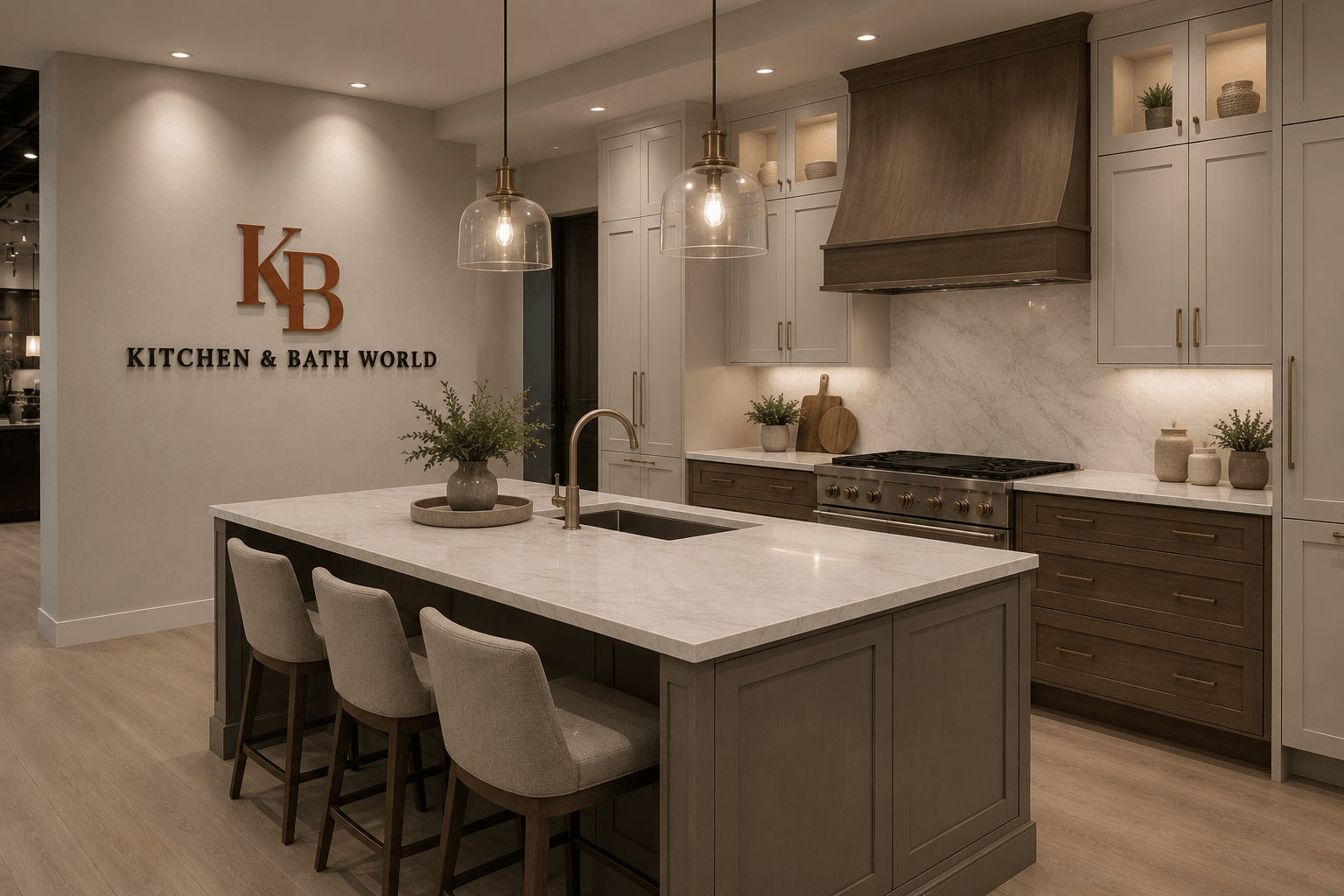
Kitchen remodeling advertising works best when it sells the value of the project before it asks for the appointment. The right message can make a kitchen feel like a smarter investment, a better daily experience, and a project worth planning with care.
At BKBG, we work with independent kitchen and bath showrooms across the country, so we see how stronger positioning attracts stronger inquiries. Higher-value leads usually come from homeowners who understand the role of design, product quality, process, and showroom expertise. When advertising brings those pieces forward, the conversation starts in a better place.
Position the Kitchen Remodel Around Outcomes, Not Products Alone
Kitchen products matter, but homeowners rarely dream in SKU numbers. They imagine a room that feels easier to use, better to gather in, and more aligned with the way their household actually lives. Strong advertising helps them see that finished result first.
Lead With the Result Homeowners Want
Many kitchen remodeling ads start with cabinets, countertops, fixtures, storage accessories, and finishes. Those details matter during selections, yet the higher-value buyer is usually thinking about the finished experience. They want a kitchen that functions better, supports daily routines, feels current, stores more intelligently, and adds long-term value to the home. Advertising should give that buyer a clear picture of what life can feel like after the remodel.
Translate Product Features Into Everyday Value
The best product-focused claims become stronger when they connect to an outcome the homeowner can feel.
-
“New cabinets” becomes a more organized, functional kitchen with storage that fits how the household cooks and lives.
-
“Premium countertops” becomes a durable, beautiful surface for meal prep, homework, entertaining, and daily gathering.
-
“Custom design” becomes a kitchen planned around traffic flow, family habits, storage needs, and long-term comfort.
-
“Updated fixtures” becomes better lighting, easier cleanup, smoother routines, and a space that feels considered from corner to corner.
That translation helps the homeowner understand why professional guidance changes the quality of the final project.
Use Positioning That Signals Thoughtful Planning
Ad copy should make the showroom feel like a serious planning partner. Lines such as “Design a kitchen that works as beautifully as it looks,” “Plan your remodel with a showroom team that helps you make confident decisions,” and “From layout to finishes, get expert guidance before you invest” bring the focus back to the homeowner’s decision. They also suggest a process with care, which higher-value prospects tend to appreciate.
Make the Finished Space the Center of the Campaign
A strong campaign should show the kitchen as a working part of the home. Photography, video, captions, and landing page copy can all point to the same idea: better flow, smarter storage, improved lighting, stronger material choices, and a more enjoyable daily rhythm. When advertising connects every product to a practical result, the showroom attracts homeowners who value the full project, rather than shoppers comparing isolated line items.
Use Educational Content to Pre-Qualify Better Prospects
Higher-value kitchen remodeling clients usually do their homework before they reach out. They compare costs, study layouts, look at cabinet options, and try to understand the process. Educational content helps your showroom meet them during that research stage with practical guidance.
Attract Homeowners Who Are Already Thinking Seriously
A homeowner who reads about budget ranges, layout planning, cabinet quality, or remodel timelines is often showing early commitment. They want to understand the decision before speaking with a professional. That makes educational content a useful lead-quality filter. It tends to attract prospects who are more serious, more informed, and more likely to value expertise. It also helps reduce commodity-style inquiries because the showroom is presenting knowledge before price enters the conversation.
Answer the Questions That Shape the First Conversation
The best educational topics come from real homeowner questions. Cost expectation content helps prospects understand the range of investment. Planning guides explain how to prepare for a kitchen remodel. Cabinet quality articles help readers understand construction, finishes, storage, and long-term performance. Showroom visit guides explain what to bring, what to expect, and how to make the visit productive. Layout mistake content helps homeowners recognize problems with traffic flow, storage, lighting, and appliance placement. Material selection articles can clarify questions around durability, maintenance, style, and budget. Timeline content helps prospects understand how long a kitchen remodel can take and why planning ahead matters.
Build Trust Before the Showroom Visit
Educational content changes the tone of the relationship before the first appointment. When prospects have already learned from your website, blog, guide, video, or email, they enter the conversation with more context and more trust. They have seen how the showroom explains decisions, frames tradeoffs, and guides planning. That early confidence can make the consultation more productive because the homeowner already sees the team as a source of expertise.
Use Search Intent to Separate Serious Buyers From Browsers
Search advertising gets sharper when the campaign understands why someone is searching. A homeowner looking for general inspiration may still be early. A homeowner searching for a local showroom, designer, or consultation is usually closer to taking action.
Read the Difference Between Inspiration and Intent
Broad searches such as “kitchen ideas,” “white kitchen inspiration,” and “small kitchen designs” often come from homeowners collecting style references. These searches can support awareness, but they can also attract people with unclear budgets, loose timelines, and limited readiness. Higher-intent searches tell a different story. Terms such as “kitchen remodel showroom near me,” “kitchen cabinet designer near me,” “kitchen remodeling consultation,” “custom kitchen cabinets near me,” and “kitchen design showroom” suggest that the homeowner is looking for professional help, local options, and a more concrete next step.
Prioritize the Signals That Point to a Better Lead
A stronger search campaign should focus on terms that show local intent, remodel intent, design help, product selection, and readiness to speak with a professional. “Near me” searches carry geographic urgency. “Consultation” searches suggest a willingness to start a conversation. “Designer” and “showroom” searches point toward a buyer who values guidance. “Custom kitchen cabinets” can signal product interest with a higher service expectation. When those signals appear together, the campaign has a better chance of attracting homeowners who are ready for a more serious showroom interaction.
Match the Landing Page to the Search
The click should land on a page that reflects the searcher’s exact need. A cabinet-focused search should lead to cabinet guidance, product education, design support, and showroom examples. A kitchen remodel search should lead to a broader planning page that explains process, timeline, budget expectations, and project types. A showroom search should lead to a page centered on the showroom experience, including what visitors can see, who they will meet, and how the visit helps them make better decisions. Better matching creates a smoother path from search to consultation.
Make the Showroom Website a Lead-Quality Filter
A showroom website should look polished, but its real job is to guide the right homeowners toward the right next step. When advertising brings traffic to the site, the website should help prospects understand fit, process, expectations, and value.
Give Visitors the Information They Need to Self-Qualify
A strong website helps homeowners recognize whether the showroom is suited to their project. That means the service area should be clear, the project types should be explained, and the design process should feel easy to follow. Strong project photography gives visitors a sense of style, quality, and scope. Budget guidance or investment ranges can also help set expectations when appropriate. These details reduce vague inquiries because homeowners arrive with a better understanding of what the showroom does and how the team works.
Use Calls to Action That Match the Buyer’s Intent
Generic calls to action can make the next step feel unclear. Specific language gives the visitor a stronger reason to act.
-
“Schedule a showroom consultation” works well for homeowners who are ready to talk through a project with a design team.
-
“Start planning your kitchen remodel” feels useful for someone in the early planning stage who still needs guidance.
-
“Talk with a kitchen design expert” positions the next step around advice and confidence.
-
“Get guidance before you choose cabinets” speaks to the homeowner who knows selections matter and wants help making better decisions.
The right call to action should tell the visitor what happens next and why that step is worth taking.
Add Fit Language That Supports Better Inquiries
Pre-qualification language can be direct without feeling cold. Explain who the showroom serves best, what kinds of projects the team handles, and what a homeowner should prepare before reaching out. That might include inspiration photos, rough measurements, timeline goals, budget expectations, or a list of pain points in the current kitchen. Clear fit language helps the homeowner feel more prepared and helps the showroom spend time with prospects who value design guidance, product knowledge, and a professional planning process.
How BKBG Helps Showrooms Strengthen Advertising and Lead Generation
At BKBG, we support independent kitchen and bath showrooms with resources that improve advertising, lead generation, sales, profitability, and day-to-day business operations. This is where the marketing conversation connects to the larger business system behind every stronger lead.
We Help Strengthen the Financial Side of Growth
Better advertising can bring stronger opportunities, but showroom profitability depends on the business foundation behind those opportunities. Our Shareholders pool purchasing power to access quarterly rebates, preferred pricing, enhanced terms, and display programs from leading kitchen and bath manufacturers. We also offer Engagement Program opportunities tied to participation, purchasing levels, Preferred Product Partner support, and vendor displays. Those financial benefits help showrooms improve margin, expand displays, and compete with greater confidence.
We Provide Marketing and Lead-Generation Resources
Strong leads usually begin with strong homeowner education. Our customizable call-to-action guides help answer common remodeling questions while positioning the showroom as a trusted advisor. The Elevation Blog Program gives showrooms weekly content they can use to keep websites fresh, support search visibility, and create useful material for social media and email. Through our website and digital media Affinity Partners, we also help members access support for SEO, paid search, social media, website development, and broader digital strategy.
We Support Professional Development and Sales Readiness
Advertising works better when the team behind it is prepared to guide the homeowner well. Our Designer Alliance gives showroom designers access to training, peer connection, contests, software training, and presentation guidance. Our NKBA partnership offers discounted badge program access. The BKBG Learning Center provides resources across marketing, sales, finance, operations, HR, and estimating. We also support members through webinars, training sessions, our annual conference, and peer groups that help showrooms learn from operators facing similar decisions.
We Help Showrooms Build Capacity for Better Projects
Higher-value leads need strong follow-through. Our business advisory and evaluation services help members identify opportunities to improve operations and growth planning. We provide access to vendor decision-makers, preferred software designed for kitchen and bath showroom operations, and freelance design services that can help with overflow work and project capacity. When better marketing assets attract stronger leads, better sales processes convert them, and better operations protect profitability, kitchen remodeling advertising has a much stronger chance of turning into lasting showroom growth.
Create Ads That Lead to Better Kitchen Conversations
Kitchen remodeling advertising works best when it attracts homeowners who value design expertise, product knowledge, project planning, and a guided showroom experience. Strong campaigns define the right lead, position the kitchen around real outcomes, match search intent, and use the website to set clear expectations before the first conversation.
At BKBG, we help independent kitchen and bath showrooms strengthen the marketing, sales, and operational systems behind better lead generation. With stronger assets, better support, and clearer growth structure, showrooms can pursue higher-value projects with greater confidence. To build advertising that brings better opportunities through the door, contact us today.
FAQs
What makes kitchen remodeling advertising effective for higher-value leads?
Effective advertising speaks to homeowners who want guidance, planning, quality products, and a thoughtful design process. It should show the finished value of the kitchen, explain the showroom’s expertise, and guide prospects toward a consultation or showroom visit. The strongest campaigns help homeowners understand why professional planning matters before they start comparing product prices or asking for quick estimates.
How can a showroom attract better kitchen remodeling leads?
A showroom can attract better leads by making its ideal project type clear. That includes service area, budget expectations, design process, product categories, and consultation steps. Project photography, planning content, and specific calls to action also help. When the message speaks to homeowners who value expertise and long-term results, the inquiry quality tends to improve.
How does BKBG help showrooms improve lead generation?
BKBG supports lead generation through customizable call-to-action guides, weekly Elevation Blog content, and access to website and digital media Affinity Partners. We help members create stronger homeowner education, improve search visibility, and support digital campaigns with better assets. Our goal is to help independent showrooms attract prospects who are better informed before they reach out.
How does BKBG help showrooms strengthen their websites?
BKBG connects members with Affinity Partners who can support website development, SEO, paid search, social media, and broader digital strategy. We help showrooms think about websites as business tools that guide homeowners toward better next steps. A stronger website can explain project fit, improve trust, support lead quality, and make advertising traffic more productive.
How does BKBG support showroom sales teams after leads come in?
BKBG supports sales readiness through the Designer Alliance, NKBA partnership, Learning Center, webinars, training sessions, peer groups, and our annual conference. We help members strengthen the skills and systems behind the consultation. Better sales processes help showrooms guide homeowners with confidence, explain value clearly, and move higher-quality opportunities through the pipeline more effectively.