
Content Marketing for Construction Companies: How Remodelers Can Turn Expertise Into Inquiries
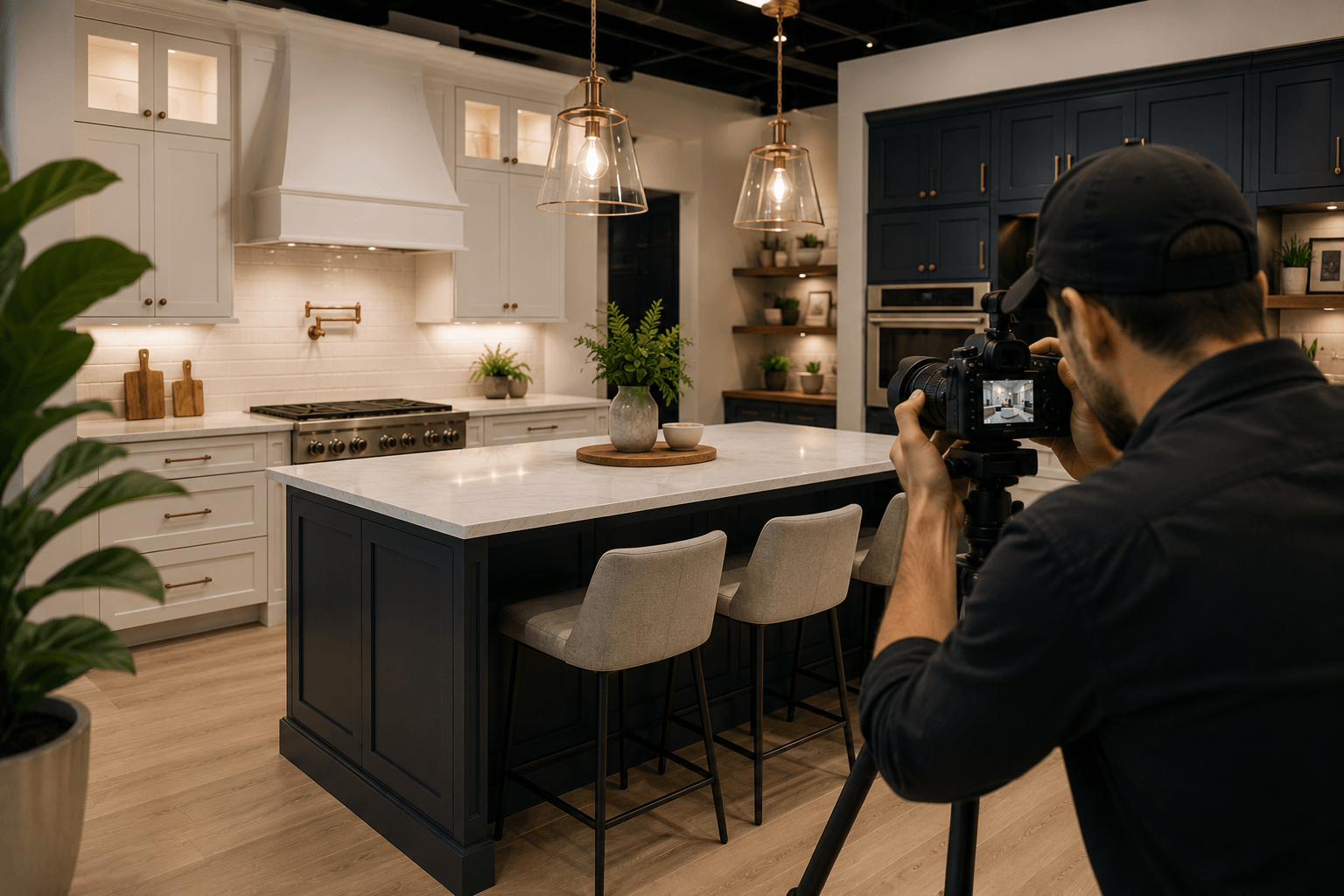
Content marketing for construction companies works best when it sounds like the kind of guidance a homeowner wishes they had before the first call. Remodelers answer real questions every day, from budgets and timelines to layout choices, product tradeoffs, and the fine print of living through a project.
At BKBG, we work with independent kitchen and bath showrooms across the country, so we see how expertise becomes a growth asset when it is packaged clearly. The right content can build trust early, support better inquiries, and help homeowners feel more prepared before they speak with your team. That is where smart content starts doing real business work.
Why Content Marketing Works Differently for Remodelers Than for Most Businesses
Remodeling has a long runway. Homeowners study, save, compare, and second-guess before they reach out. That gives content a rare job: helping the right prospect feel informed enough to begin a real conversation.
Homeowners Research for Months Before They Call
Kitchen and bath remodels carry a long consideration cycle because the decision affects money, routines, comfort, and the value of the home. A homeowner may read about cabinet construction in January, compare layouts in March, research countertop materials in May, and contact a showroom in July. Content fits that path because it can answer questions at every stage. Cost guides, planning checklists, product explainers, and project timelines give homeowners something useful while they are still forming opinions.
Trust Starts With What You Teach
A remodeler is being trusted with access, disruption, decisions, and daily communication inside someone’s home. That makes expertise visible in a very practical way. Content that explains process, timelines, tradeoffs, and common planning mistakes gives homeowners a clearer sense of how the team thinks. Transparency lowers anxiety because it replaces vague concern with understandable steps. When a showroom teaches well, it gives prospects a preview of the guidance they can expect during the project.
Visual Proof Gives the Expertise Weight
Kitchen and bath work gives remodelers a strong visual advantage. Finished project photography, before-and-after stories, material close-ups, designer notes, and layout explanations can carry a level of proof that many industries struggle to show. The best content pairs strong imagery with useful explanation. A beautiful photo may catch the eye, but a thoughtful caption about storage, flow, lighting, or finish selection helps the homeowner understand why the project works.
Local Authority Compounds Over Time
Remodelers win attention by becoming highly useful in their own market. A showroom that ranks for local kitchen and bath questions earns visibility during the exact moments homeowners are researching. That visibility can build for years when the content is specific, well-written, and tied to real homeowner concerns. A cost guide, neighborhood project feature, or planning resource published today can keep generating qualified inquiries long after the first promotion ends.
The Content Types That Produce Inquiries for Kitchen and Bath Remodelers
Some content earns attention. Some content earns inquiries. For kitchen and bath remodelers, the strongest topics usually sit close to real homeowner decisions: budget, timeline, product choices, local market expectations, and the problems that finally push someone to act.
Start With Cost and Budget Content
Cost content sits at the top of the inquiry-producing hierarchy because it attracts homeowners who are already thinking seriously. A person searching for pricing has moved from casual inspiration into planning. That makes budget content one of the clearest qualification signals a remodeler can use.
-
“How Much Does a Kitchen Remodel Cost in [City]?” reaches homeowners with high intent in a specific local market.
-
“What Does a Bathroom Renovation Really Cost?” captures prospects who are comparing scope, expectations, and affordability.
-
A useful cost guide should explain ranges, drivers, allowances, material choices, labor considerations, design fees, and the decisions that change the final number.
-
The writing should educate without making the work feel like a commodity. Explain value through planning quality, design expertise, project coordination, installation standards, and fewer expensive surprises.
The aim is clarity. When homeowners understand the budget conversation, they are better prepared to contact the showroom with realistic expectations.
Use Process, Timeline, and Decision Content to Lower Anxiety
Process content speaks to the homeowner who wants the project yet feels uneasy about disruption. Topics like “What to Expect During a Kitchen Remodel: Week by Week” or “The Bathroom Remodel Process Explained” make the unknown feel manageable. Walk readers through design, selections, ordering, demolition, installation, inspections, and final details in plain language. Comparison content also earns strong inquiries because it helps homeowners make better choices. “Custom vs. Semi-Custom Cabinets: What’s Right for Your Project?” or “Full Bath Renovation vs. Cosmetic Update: How to Decide” positions the showroom as a steady advisor. This type of content works because it respects the complexity of the decision and gives the reader a useful way forward.
Capture Local Demand and Problem-Aware Searches
Local market content gives remodelers a practical search advantage. A “[City] Kitchen Remodel Guide” or neighborhood renovation trend piece can speak directly to homes, styles, budgets, and preferences in the showroom’s actual trade area. That geographic relevance is hard for broad national content to match. Problem-aware content reaches homeowners earlier, often before they know what service they need. A dark kitchen, poor storage, awkward bathroom layout, or aging vanity may start as a daily frustration. When the showroom names the problem clearly and explains the path to improvement, the homeowner begins to see the business as the right guide.
Project Case Studies: The Most Underutilized Content Asset in Remodeling
A finished kitchen photo can stop the scroll. A good case study can start a serious inquiry. For remodelers, case studies give homeowners the full story behind the work, including the problem, the thinking, the process, and the result.
Show the Design Thinking Behind the Finished Space
Project photography shows the finished room, while a case study explains the decisions that made the room work. That matters because homeowners are usually trying to understand whether a showroom can solve their specific situation. A strong case study communicates design expertise through the original challenge, the homeowner’s goals, the existing limitations, and the reasoning behind each major choice. It also helps readers self-qualify. A prospect can compare their own scope, budget, style preferences, and planning concerns against the project described. By the time they reach out, they often have a clearer sense of fit.
Build Each Case Study Around a Clear Narrative
The best case studies follow a structure that feels natural and useful. Start with the client situation, including the homeowner’s goals, frustrations, and the specific challenges the project needed to solve. Then move into the design solution, where the designer explains choices around layout, storage, materials, lighting, product selection, and daily function. The process section should walk through the path from first consultation to completion, including timeline, milestones, and how issues were handled. The outcome should document the finished project with strong photography and specific results. The client voice belongs near the end, with a testimonial that speaks to communication, design confidence, and the experience of working with the team.
Make Case Studies Part of the Project Workflow
Case study production gets easier when it becomes part of the normal project rhythm. Before photos should be captured before demolition, since those images give the finished work its context. Designers can add short notes at key phases, giving the marketing team the raw material for a stronger narrative. After completion, a structured 30-minute client conversation can produce testimonial language, useful quotes, and a more accurate outcome story. One case study can then support several channels: a website portfolio entry, a social media project series, an email feature, paid ad creative, and a downloadable project showcase. The project has already been built. The case study makes the business value last longer.
Video Content: The Format That Converts Browsers Into Believers
Video gives remodelers a practical way to show scale, sequence, personality, and process. For kitchen and bath showrooms, it can make a finished project easier to understand and a designer easier to trust before the first conversation.
Use Video to Make the Work Feel Real
A still photo can show a beautiful finished room, while video can show how the space moves, how storage opens, how lighting changes the mood, and how the layout feels from one angle to the next. That matters for homeowners trying to picture their own project. Video also humanizes the designer, which is valuable in a category built on communication and trust. When a homeowner hears a designer explain a decision clearly, the showroom starts to feel less abstract. Major platforms also tend to reward video with strong reach, giving remodelers more opportunities to earn attention from people who are already watching home improvement content.
Focus on the Five Formats That Create Inquiries
The most useful remodeler videos answer questions, reduce hesitation, and make the team feel credible. A project walkthrough can feature a designer narrating the finished space, explaining the homeowner’s goals, layout decisions, materials, and functional improvements. A before-and-after reveal works well for short-form platforms because transformation is easy to understand quickly. A process explainer can show what happens during a kitchen or bath remodel, helping prospects understand timelines, decisions, and disruption before they book. FAQ videos can turn common sales consultation questions into transparent, helpful content. Meet-the-designer videos introduce the people behind the work, which helps homeowners picture the working relationship before they reach out.
Keep Production Practical Enough to Repeat
Video production should feel manageable for a busy showroom. Clear audio, good lighting, stable footage, and genuine personality matter most. A smartphone can do plenty when the shot is steady and the message is useful. Expensive cameras, heavy editing, and studio-level production can wait until the content system is already moving. The easiest rhythm is to batch video around project completions. Capture a walkthrough, a few detail clips, designer commentary, and short answers to common questions while the space is fresh, styled, and ready. One filming session can become weeks of content across the website, social channels, email, and paid campaigns.
The Blog as a Long-Term Inquiry Engine
A strong blog gives kitchen and bath showrooms a steady way to answer homeowner questions, build local search visibility, and create content for every other marketing channel. Done well, it becomes one of the most durable inquiry sources in the business.
Build Around the Searches Homeowners Already Make
Homeowners use search when they are trying to make sense of cost, scope, timing, design choices, and local expectations. That makes a showroom blog especially valuable. Posts built around terms like “[City] kitchen remodel cost,” “bathroom renovation [neighborhood],” and “kitchen designer near me” can attract people during active research. The best posts answer the question with real detail, then guide readers toward the next useful step. One well-researched post each week can outperform a pile of thin, generic updates because quality signals matter. Depth, specificity, local context, and clear internal links all help search engines and readers understand the showroom’s authority.
Use Each Post Across the Full Marketing System
A blog earns extra value when each post feeds multiple channels. Think of it as a content source that keeps the entire marketing machine better supplied.
-
A cost guide can become a social post series, an email feature, and a retargeting ad for homeowners who visited pricing pages.
-
A process article can support sales conversations by giving prospects a clear explanation before or after a consultation.
-
A local trend post can become neighborhood-specific social content and a useful internal link from related portfolio pages.
-
A project planning article can give designers a ready-made resource to send when homeowners ask the same early questions.
That cross-channel use makes blogging more efficient. The showroom creates one strong resource, then lets it work in several places.
Make Consistency Easier With the Right Support
Consistent blogging is where many showrooms get stuck. The expertise is there, but the time, writing process, SEO structure, and publishing rhythm can be difficult to maintain. At BKBG, our Elevation Blog Program gives members professionally written weekly blog content published under the showroom’s brand. It helps build SEO authority, social content, email material, and homeowner education without placing the full production burden on the team. Over time, consistent publication can bring homeowners back to the website repeatedly. Those returning visitors often become better inquiries because they already understand the showroom’s thinking, process, and value before they reach out.
How BKBG Turns Showroom Expertise Into a Content Marketing Advantage
At BKBG, we help independent kitchen and bath showrooms turn their existing expertise into content that earns attention, builds trust, and supports better inquiries. Every showroom already has the raw material. The real challenge is turning it into consistent, distributed content without overloading a lean team.
We Help Solve the Production Consistency Problem
Designers answer homeowner questions every day. Project portfolios document years of thoughtful work. Showroom teams understand budgets, timelines, product choices, layout challenges, and the details that separate professional design-build service from big-box alternatives. Our Elevation Blog Program gives members professionally written, SEO-optimized weekly blog content published under the showroom’s brand. That steady rhythm helps build local search authority, supply social media, support email marketing, and keep useful guidance in front of homeowners during the research phase.
We Turn Helpful Resources Into Lead Capture Opportunities
Strong content should give homeowners practical value and give the showroom a path to continue the conversation. Our call-to-action guides are professionally produced, showroom-branded downloadable resources that support lead magnet campaigns without requiring a major production lift from the showroom team. Each guide is customized with the member’s branding, project photography, contact details, and local identity. That makes the resource feel connected to the showroom while helping anonymous website visitors become identifiable prospects.
We Add Market Intelligence and Distribution Support
Content planning improves when it reflects the real market around the showroom. Our trade area assessments help members understand homeowner concentrations, local opportunities, and the questions most likely to matter in a specific service area. That insight can shape blog topics, guide themes, social content, and campaign messaging. Through our digital marketing Affinity Partners, we also connect members with vetted agencies that understand showroom marketing. Those partners can help distribute content through SEO, paid promotion, social media, and email so the right homeowners actually see it.
We Make Authentic Expertise Easier to Use
Our Designer Alliance connects more than 400 designers working in BKBG showrooms, creating a deep source of project knowledge, professional perspective, and real portfolio material. That human expertise helps content feel grounded, specific, and useful. Members using BKBG support can build content programs with stronger infrastructure, sharper local intelligence, and better distribution guidance. Over time, that creates steadier output, stronger local search authority, and inquiry quality that reflects the showroom’s real value.
Create Content That Moves Prospects Closer
Content marketing for construction companies works especially well when it reflects how homeowners actually plan a remodel. Cost guides, process explainers, case studies, video walkthroughs, blogs, local market content, and lead magnets all help turn expertise into trust before the first conversation begins.
At BKBG, we help independent kitchen and bath showrooms make that expertise easier to publish, distribute, and use. Our programs support stronger content, smarter local strategy, and better inquiry quality. To turn your showroom’s knowledge into a practical growth system, contact us today.
FAQs
What is content marketing for construction companies, and why does it matter for remodelers?
Content marketing helps remodelers answer homeowner questions before a sales conversation begins. For kitchen and bath businesses, that can include cost guides, project case studies, videos, blogs, planning resources, and local renovation advice. It matters because remodels involve trust, budget, timing, and disruption. Useful content gives prospects a clearer view of your expertise and helps them feel prepared to reach out.
How often should a kitchen and bath showroom publish blog content?
A consistent weekly rhythm is a strong goal for many showrooms. One useful, well-researched post each week can build local search visibility, feed social media, support email marketing, and give designers helpful resources to share with prospects. Quality matters. A detailed article that answers a real homeowner question carries stronger value than a quick update written only to fill a calendar.
How does BKBG help showrooms keep content publishing consistent?
BKBG supports consistency through our Elevation Blog Program, which gives members professionally written, SEO-optimized weekly blog content published under the showroom’s brand. We help reduce the production pressure that often slows content programs down. Our goal is to help members maintain a steady stream of useful content that supports local search, social media, email, and homeowner education.
How does BKBG help showrooms create lead magnet content?
We provide call-to-action guides that members can use as downloadable resources on their websites. These guides are professionally produced and customized with each showroom’s branding, project photography, contact details, and local identity. We help members turn website visitors into identifiable leads by giving homeowners something useful in exchange for their contact information.
How does BKBG use trade area assessments to support content strategy?
BKBG’s trade area assessments help members understand their local market, including where ideal-profile homeowners are concentrated and what opportunities may exist in their service area. We use that insight to support smarter content planning. A showroom can build topics around local homeowner concerns, neighborhood trends, project types, and decision points that