
Bathroom Remodeling Advertising: How to Attract High-Quality Leads
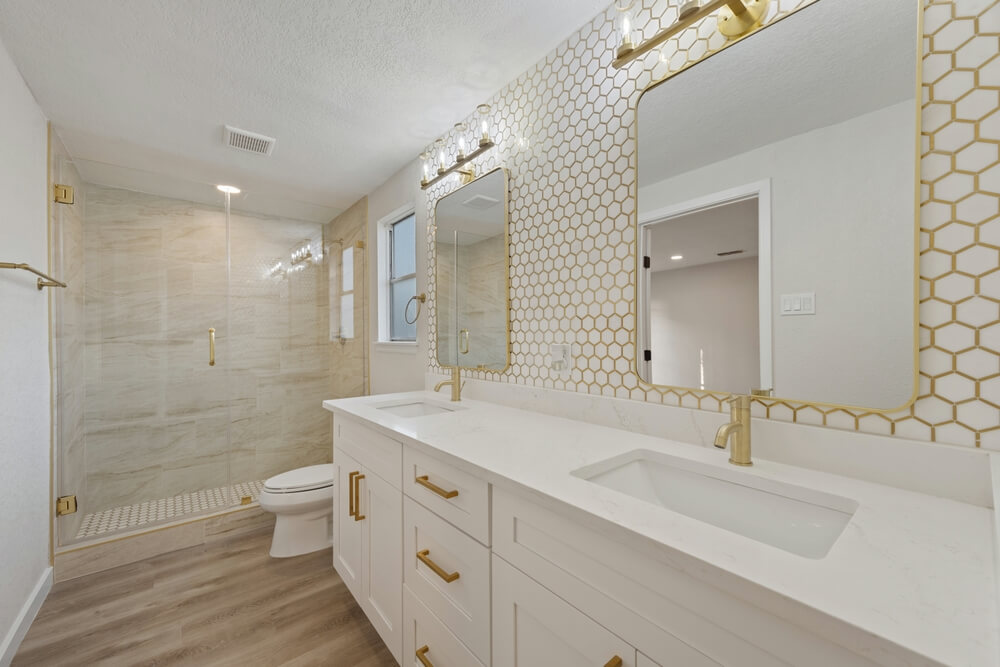
Bathroom remodeling advertising done well attracts serious buyers and filters out the ones who will consume your team's time without converting. Done poorly, it fills your pipeline with price-shoppers, tire-kickers, and prospects whose expectations have nothing to do with what your showroom actually delivers. The difference between the two comes down to strategy, not spend.
At BKBG, we work with independent kitchen and bath showrooms across the country, and bathroom advertising is one of the areas where we see the widest gap between what showrooms are doing and what actually works. The showrooms running effective bathroom advertising share a clear set of principles around positioning, targeting, and creative. Understanding those principles changes what your advertising produces.
What Content Marketing Actually Means for Kitchen and Bath Showrooms
Content marketing gets misunderstood more often than almost any other marketing concept. Most showrooms equate it with posting on Instagram or publishing an occasional blog, which undersells what it actually is and why it works so well in this category.
A Practical Definition
Content marketing is the practice of creating and distributing genuinely useful, trust-building information that attracts your ideal client and moves them toward choosing your showroom. The emphasis on genuine usefulness is what separates effective content from filler. A blog post that helps a homeowner understand the real difference between custom and semi-custom cabinetry is content marketing. A post that exists purely to fill a page is not, and serious buyers can tell the difference quickly.
Why It Works Especially Well in Kitchen and Bath
Several characteristics of this category make content marketing unusually effective. The purchase consideration window is long, homeowners typically research for months before committing, which gives consistent helpful content ample time to build familiarity and trust. The emotional investment in the outcome is high, general distrust of contractors is a real factor, and the visual richness of the category lends itself naturally to photography, video, case studies, and educational material that demonstrates design capability before a prospect ever contacts you.
Content That Generates Projects
The distinction worth understanding is between content that generates traffic and content that generates projects. Traffic-focused content attracts broad audiences with limited purchase intent. Project-generating content attracts homeowners who are actively researching their options, have a real budget in mind, and are evaluating which showroom to trust with a significant investment. Blog posts, video walkthroughs, email sequences, social content, and downloadable planning resources all serve that purpose when built around the questions serious buyers are actually asking.
The Strategic Foundation: Know Who You Are Writing For Before You Write Anything
Generic content produces generic leads. Before deciding what to write, publish, or promote, a showroom needs a clear picture of the specific person it is trying to reach. That clarity shapes every content decision that follows and is the variable that separates a content strategy from a content calendar.
Building Your Ideal Client Profile
An ideal client profile covers more than demographics. Project type and scope tell you what kind of work the client is considering. Budget range signals their expectations and their appetite for design investment. Decision-making style reveals whether they are led by aesthetics, value, or a trusted referral. Renovation triggers, whether a new home purchase, a growing family, aging-in-place considerations, or a lifestyle upgrade, tell you what emotional context is driving the project. Where they spend time online and what they read tells you where your content needs to show up to reach them during their research.
Mapping Content to the Homeowner Journey
The homeowner journey moves through three stages, and effective content addresses all of them. In the awareness stage, a homeowner knows they want change but has not yet defined what that looks like. Content here answers broad questions and introduces your showroom as a knowledgeable, trustworthy resource. In the consideration stage, they are evaluating options and comparing approaches. Content here differentiates your process, philosophy, and results from competitors. In the decision stage, they are ready to commit and need reassurance. Content here reduces perceived risk and closes the remaining trust gap before they pick up the phone.
The Decision-Stage Trap
Many showrooms produce only decision-stage content, defaulting to calls to action like "get a free quote" or "book a consultation" without building the awareness and consideration content that earns those conversions. A homeowner who finds your showroom through a genuinely useful awareness-stage blog post is far more qualified and far more trusting by the time they reach your consultation page than one who arrived cold through a generic ad. The full journey requires content at every stage, and the early stages are where most of the trust gets built.
Blog Content: The Highest-ROI Content Investment for Showrooms
Blogging works better than most showrooms realize, and the compounding nature of it is the reason. A well-written post published today continues generating search traffic for years. That same post fuels social content, email campaigns, and sales presentations. The return on a single piece of quality blog content extends well beyond its publication date.
The Blog Post Types That Drive Qualified Traffic
The posts that consistently attract serious buyers share a common quality: they match high search intent with genuinely useful information. The formats that perform best for kitchen and bath showrooms include:
-
Cost and budget guides such as "How Much Does a Kitchen Remodel Cost in [City]" attract ready-to-act homeowners with real purchase intent
-
Process explainers like "What to Expect During a Kitchen Remodel Week by Week" build trust and address the disruption concern that stops many buyers from committing
-
Style and trend guides attract design-curious homeowners early in the research phase and keep your showroom visible during the inspiration stage
-
Comparison content like "Semi-Custom vs. Custom Cabinets" positions your showroom as a trusted advisor rather than a product pusher
-
Local market content and neighborhood-specific renovation guides own the geographic search terms your competitors are ignoring
-
Problem-solving posts targeting pain-point searches capture homeowners who are frustrated and actively looking for answers
Each of these formats serves a different stage of the buyer journey and a different search intent, which is why a content library built across all of them outperforms one that focuses on a single type.
Making Blogging Sustainable
Local SEO optimization does not require keyword stuffing. Including your city and service area naturally within genuinely useful content is enough to signal geographic relevance to search engines. The realistic time commitment for consistent blogging is significant, which is why tools, templates, and programs like BKBG's Elevation Blog make it sustainable for showrooms without dedicated content staff. Every post should be repurposed: a blog post becomes a social caption, an email newsletter section, and a leave-behind for consultations, maximizing the return on every piece of content produced.
Educational Downloads: Turning Website Visitors Into Leads
Downloadable content is among the most underused tools in kitchen and bath marketing, and the gap between showrooms using it well and those ignoring it entirely is measurable in lead quality. A well-placed content offer converts a browsing visitor into a known contact without requiring them to commit to a conversation they are not yet ready to have.
Why It Works
The psychology behind downloadable content is straightforward. Offering something of genuine value in exchange for contact information respects the homeowner's research process rather than interrupting it. A prospect who downloads a budget planning guide is signaling real purchase intent and a willingness to engage further. That signal is worth far more than an anonymous pageview, and it gives your team a warm contact to nurture rather than a cold audience to advertise to.
What to Offer
The downloadable content that performs best for kitchen and bath showrooms delivers something a serious buyer would genuinely use. Budget planning guides targeting searches around kitchen remodel costs capture homeowners at the earliest stage of active research. Style guides with strong visual components attract design-curious buyers and tend to be shared beyond the person who downloaded them. Project planning checklists position your showroom as a partner in the process rather than a vendor waiting to be selected. Comparison guides covering cabinet tiers or material options serve buyers deep in the consideration phase, and local market guides built around neighborhood renovation trends earn geographic authority that generic content cannot replicate.
Gating and Nurturing
A landing page built around a single, specific offer with a short form asking for a name and email converts at significantly higher rates than a general contact page. Keep the form simple: the goal is to lower friction, not gather data. What happens after the download determines whether the lead becomes a consultation. A short nurture sequence of three to five emails spaced over two to three weeks, each delivering something useful rather than pushing for a meeting, keeps your showroom present while the homeowner continues their research. By the time the sequence ends, a well-nurtured prospect is considerably warmer than one who arrived cold through a paid ad.
Social Media Content Strategy: Building an Audience That Refers and Returns
The goal of social media for a kitchen and bath showroom is building a local reputation with a high-intent audience, not chasing viral moments or follower counts. A smaller, engaged local audience that trusts your showroom's expertise will consistently outperform a large passive following when it comes to generating referrals, consultations, and repeat business.
Choosing the Right Platforms
Not every platform deserves equal investment, and spreading effort too thin produces weak results everywhere. Instagram is the primary visual portfolio platform and essential for any showroom operating in this category. Facebook reaches homeowner demographics most effectively and enables strong paid amplification of organic content. Pinterest is the highest-intent platform in home improvement because users arrive actively planning projects rather than passively browsing. Houzz functions as both a social platform and a business directory, making it critical for showrooms targeting design-forward clients. YouTube is the natural home for project walkthroughs and educational content that requires more than sixty seconds to deliver properly.
The Content Mix
A sustainable content mix keeps an audience engaged without requiring a full-time content team to maintain. A practical framework that performs well for kitchen and bath showrooms looks like this:
-
Forty percent project photography and video, the core visual portfolio that demonstrates what your showroom produces
-
Twenty-five percent educational and informational content that answers real buyer questions and builds trusted advisor positioning
-
Twenty percent behind-the-scenes and team content that humanizes the brand and builds personal connection with prospective clients
-
Fifteen percent testimonials, client stories, and social proof that reinforce trust at the decision stage
This balance keeps the feed visually compelling without turning every post into a sales message, which is the fastest way to lose an audience that came for inspiration.
Consistency, Repurposing, and Testing
Posting three times per week reliably outperforms posting daily for two weeks and then going dark. Algorithms reward consistency, and so do audiences. A single completed project, photographed and documented well, can generate more than ten pieces of social content: wide shots, detail close-ups, before-and-after pairs, a designer commentary caption, a short Reel walkthrough, a Pinterest board, and a client quote. Repurposing systematically reduces the content production burden while extending each project's reach across multiple platforms. Social content also functions as a low-cost testing ground for paid advertising creative: the posts that generate strong organic engagement are reliable candidates for paid amplification.
How BKBG Equips Independent Showrooms to Win With Content Marketing
Content marketing sounds compelling until a showroom owner looks at their schedule and realizes they have no time to execute it. That tension is real, and it is the most common reason independent showrooms with genuine expertise and strong project work never build the content presence their business deserves. At BKBG, we address that gap directly through resources designed to make consistent content marketing executable without a dedicated internal team.
Ready-to-Deploy Content Resources
Our Elevation Blog Program delivers a professionally produced weekly blog customized for each showroom and ready to publish under their brand. It directly addresses the two biggest content marketing barriers, time and expertise, while feeding SEO visibility, social content, and email campaigns simultaneously. Our Call-to-Action Guides provide professionally developed downloadable content assets customized with each showroom's branding, the exact type of gated lead generation content that converts browsers into known contacts, produced without any internal effort required.
Expert Partners and Market Intelligence
Our vetted digital marketing affinity partners include agencies and website consultants who specialize in showroom marketing and provide the expert execution layer for SEO, content strategy, and paid amplification. Our trade area assessments give showrooms market-level intelligence on which content topics resonate locally, removing the guesswork from content planning and ensuring that what gets produced targets the highest-opportunity searches in a specific market.
The Human Stories Behind the Content
Our Designer Alliance connects more than 400 designers whose expertise, project work, and design perspective become a rich source of authentic content. The human stories that make a showroom's content genuinely compelling come from the people doing the work daily, and our network ensures member showrooms have no shortage of material worth publishing. Our Learning Center, developed through our partnership with Remodelers Advantage, provides the business and marketing education that helps showroom owners understand and execute the strategies covered in this article.
The Compounding Advantage
Members who use these tools consistently build content libraries, local search authority, and lead pipelines that create durable competitive advantages over time. A showroom that has published two years of relevant, locally optimized content occupies a market position that a new entrant cannot quickly replicate regardless of their budget. That compounding effect is what separates content marketing from paid advertising as a long-term business asset, and it is what our most engaged members are building every week.
What Comes Next for Your Showroom's Content Marketing Strategy
Bathroom remodeling advertising performs best when it operates as part of a broader content strategy rather than a standalone campaign. The showrooms attracting serious, qualified buyers are publishing consistently, educating their audience at every stage of the research process, and building the kind of digital presence that compounds in value over time. From blog content and downloadable guides to social media and email nurture, every piece works harder when it is connected to a clear picture of the ideal client and a deliberate plan for reaching them.
At BKBG, we give independent showrooms the tools to build that presence without a dedicated marketing team. From our Elevation Blog Program and Call-to-Action Guides to vetted agency partners and market intelligence, we provide what most showrooms cannot build alone. Contact us and let's start building the content foundation your showroom deserves.
FAQs
What makes bathroom remodeling advertising different from advertising other home improvement services?
Bathroom remodeling attracts a specific kind of buyer: one making a significant emotional and financial investment in a highly personal space. That dynamic means advertising needs to lead with design expertise, process transparency, and finished quality rather than price or speed. Buyers researching bathroom renovations are evaluating trust as much as capability, and the advertising that performs best in this category reflects that reality from the first impression.
How do kitchen and bath showrooms attract serious buyers through content rather than paid advertising alone?
By publishing content that answers the questions serious buyers are already asking. Cost guides, process explainers, material comparison posts, and project case studies all attract homeowners who are actively researching rather than casually browsing. That audience arrives with higher purchase intent, more realistic expectations, and more openness to a professional design process than one acquired through a generic paid ad. Content builds the trust that advertising can only gesture at.
How often should a kitchen and bath showroom publish content to see meaningful SEO and lead generation results?
Consistency matters more than volume. One well-researched blog post per week, maintained over twelve to twenty-four months, builds significantly more search authority and audience trust than irregular bursts of publishing. Search engines reward sustained output, and so do readers who return to a showroom's content library during a long research process. Setting a realistic cadence and protecting it produces better compounding results than any short-term content push.
What are BKBG Call-to-Action Guides and how do they support lead generation?
Our Call-to-Action Guides are professionally produced buyer education resources customized with each showroom's branding, contact information, and project photography. They function as the downloadable content offers described in this article, converting website visitors and social media followers into known contacts without requiring showrooms to produce the content themselves. Each guide is designed to attract homeowners in the research phase and move them naturally toward a consultation conversation.
How does BKBG's Designer Alliance contribute to a showroom's content marketing efforts?
Our Designer Alliance connects more than 400 designers working across 150-plus showrooms whose expertise, project work, and design perspective become a rich source of authentic content. The human stories behind completed projects, the design rationale behind material selections, and the process knowledge accumulated across hundreds of projects all give member showrooms genuinely compelling content to publish. That depth of expertise is what separates content that builds authority from content that merely fills a page.